Queue Management System in Saudi Arabia: Smarter Travel in 2026
Few things drain the joy out of a trip faster than a slow, shapeless line. If you have ever landed in Jeddah during the Umrah season or waited at a visa desk in Riyadh, you already understand why a modern queue management system in saudi arabia has become essential infrastructure for the travel sector. In 2026, airports, hotels, and tourist attractions across the Kingdom are replacing chaotic crowds with calm, data-driven flow.
This guide looks at queuing from a traveller’s point of view. We will cover how the technology works, where it already shapes your journey, and what to expect as Saudi Arabia scales up for record visitor numbers under Vision 2030.
Why Queue Management Matters for Saudi Travel
Saudi Arabia welcomed a surge of religious pilgrims and leisure tourists over the past two years, and the numbers keep climbing. The General Authority of Civil Aviation reports steady growth in passenger traffic across King Abdulaziz and King Khalid International Airports. More travellers mean more pressure on every touchpoint, from passport control to baggage claim.
Smart queuing solves a human problem with technology. Instead of standing shoulder to shoulder, guessing which line moves fastest, visitors receive a ticket, a text, or a mobile pass. They then wait comfortably until their number is called. The result is less stress, shorter perceived wait times, and far better first impressions of the Kingdom.
The Hidden Cost of Bad Lines
Poor queuing does more than annoy people. It causes missed connections, crowded concourses, and negative reviews that spread fast online. For a nation investing billions in hospitality, a single frustrating wait can undo a great deal of goodwill.
How a Queue Management System Works
Most platforms share a common backbone. A traveller joins a virtual line, the system tracks position in real time, and staff see live dashboards that reveal bottlenecks before they spiral. The best deployments blend hardware and software into one seamless experience.
- Self-service kiosks that print tickets or scan a passport to assign a slot.
- Digital signage showing live ticket numbers in Arabic and English.
- Mobile tickets that let guests roam a terminal and return when alerted.
- Analytics dashboards that measure wait times, service speed, and peak hours.
Because the data is captured automatically, managers can staff counters based on real demand rather than guesswork. During Hajj, for example, operators can redeploy agents the moment a surge begins.
Virtual Versus Physical Queues
| Feature | Traditional Line | Smart Queue System |
|---|---|---|
| Wait experience | Standing, uncertain | Seated, informed |
| Staff visibility | Manual headcount | Live dashboard |
| Peak handling | Reactive | Predictive |
| Traveller updates | None | SMS and app alerts |
| Reporting | Paper logs | Automated analytics |
Where Travellers Already Benefit
You may have used these systems without noticing. Queue intelligence now shapes several stages of a Saudi journey, and the footprint keeps expanding across the hospitality map.
Airports and Immigration
Biometric gates and virtual lines speed up passport control, especially for pilgrims arriving in large groups. Clear signage reduces confusion for first-time visitors who do not read Arabic.
Hotels and Attractions
Luxury resorts along the Red Sea coast use appointment-based check-in so guests skip the front-desk scrum. Heritage sites in AlUla manage timed entry to protect fragile locations while keeping lines orderly.
Drive-Thru and Roadside Service
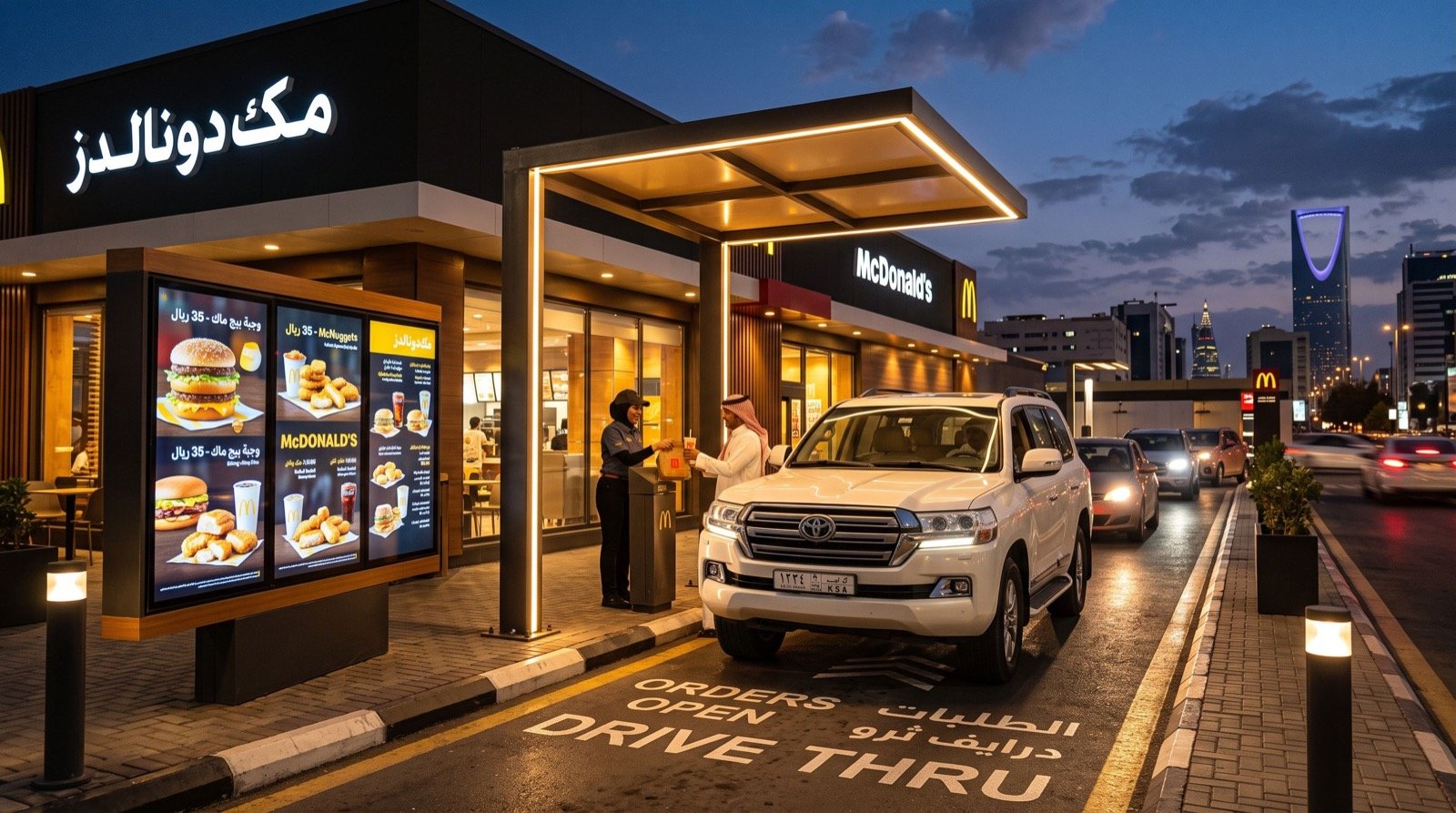
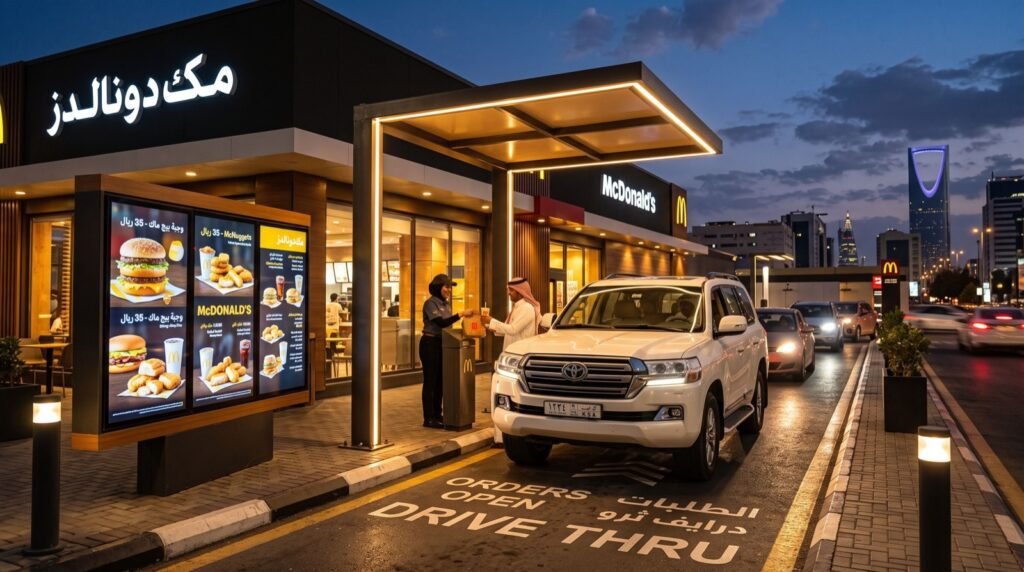
Queue thinking now extends to the road. A well-engineered PAR Drive Thru in Saudi Arabia keeps traffic moving at busy highway rest stops, where travellers want food fast without leaving their vehicles. The same timing logic that orders a terminal queue also sequences cars at an order point.
What Makes a Deployment Succeed?
Technology alone does not fix flow. Successful projects follow a disciplined rollout, and travellers feel the difference immediately. Here is the sequence that reliable integrators tend to follow.
- Map the journey. Identify every point where travellers currently wait.
- Measure the baseline. Record real wait times before any change.
- Pilot one zone. Start with a single terminal or counter.
- Train the team. Staff must trust the dashboard to act on it.
- Scale and refine. Expand once the pilot proves its numbers.
Choosing the right partner matters just as much as choosing the right software. Work with dependable specialists who understand bilingual signage, local peak patterns, and the cultural rhythm of Saudi travel seasons.
Real Numbers Behind Smarter Lines
Travellers sometimes assume queue technology is just cosmetic signage. The operational data tells a different story. When a large hub introduces virtual queuing, agents stop firefighting and start planning, because the dashboard shows a surge forming twenty minutes before the crowd physically appears at the counter.
Consider a typical international arrivals hall during a pilgrimage weekend. Without structure, three understaffed desks create a single tangled mass while two idle desks sit unnoticed around a corner. A smart system balances arrivals across every open position automatically, and it reroutes families, wheelchair users, and group leaders through dedicated streams so no one is lost in the scrum.
The payoff compounds over a season. Faster processing frees terminal space, reduces missed connections, and lets ground staff focus on hospitality instead of crowd control. For a country staking its reputation on world-class tourism, those gains translate directly into repeat visitors and stronger word of mouth.
What Travellers Should Look For
As a visitor, you can spot a well-run venue within seconds. Look for clear bilingual displays, a visible ticketing kiosk near the entrance, and staff who glance at tablets rather than shouting over the crowd. These small signals reveal a venue that has invested in your time, and they usually predict a smoother experience from check-in to departure.
The 2026 Outlook
As the Kingdom pushes toward its Vision 2030 tourism targets, expect queue management to blend with facial recognition, predictive AI, and unified super-apps. The goal outlined in Saudi Arabia’s Vision 2030 is a visitor experience that feels effortless from arrival to departure. Smart lines are a quiet but critical part of that promise.
Frequently Asked Questions
Do I need an app to use a queue management system in Saudi Arabia?
Not always. Many venues offer kiosks and SMS tickets for travellers without the app, so you can still join a virtual line using only your phone number.
Will these systems help during Hajj and Umrah crowds?
Yes. Predictive dashboards let operators add staff the moment a surge begins, which keeps pilgrim processing steady even at extreme volumes.
Are the systems available in English as well as Arabic?
Most modern deployments display tickets and signage in both languages, and many add a third language at major international airports.
How much time can a smart queue actually save?
Savings vary by venue, but reduced perceived wait and better staffing commonly cut frustration dramatically, even when the clock saving is a few minutes.
Plan a Smoother Journey
A reliable queue management system in Saudi Arabia turns one of travel’s biggest headaches into a calm, predictable moment. Whether you are landing for pilgrimage, business, or a Red Sea holiday in 2026, the smart money follows the smart line. Explore trusted queuing and drive-thru solutions today, and make your next Saudi trip the easy one you deserve.