Dry Storage in Jeddah: The 2026 Playbook for Smart Businesses
Few decisions quietly shape a company’s margins like choosing the right Dry Storage in Jeddah. As the Kingdom’s commercial gateway on the Red Sea, Jeddah handles an enormous flow of packaged goods, raw ingredients, and retail stock — and every one of those items needs a clean, dry, well-organised home between the port and the point of sale. In 2026, with Jeddah Islamic Port modernising and e-commerce volumes rising, dry warehousing has become a strategic lever rather than a simple cost.
This playbook explains what dry storage really means, which goods it suits, and how restaurants, retailers, and importers can use it to cut waste and move faster.
What exactly is dry storage?
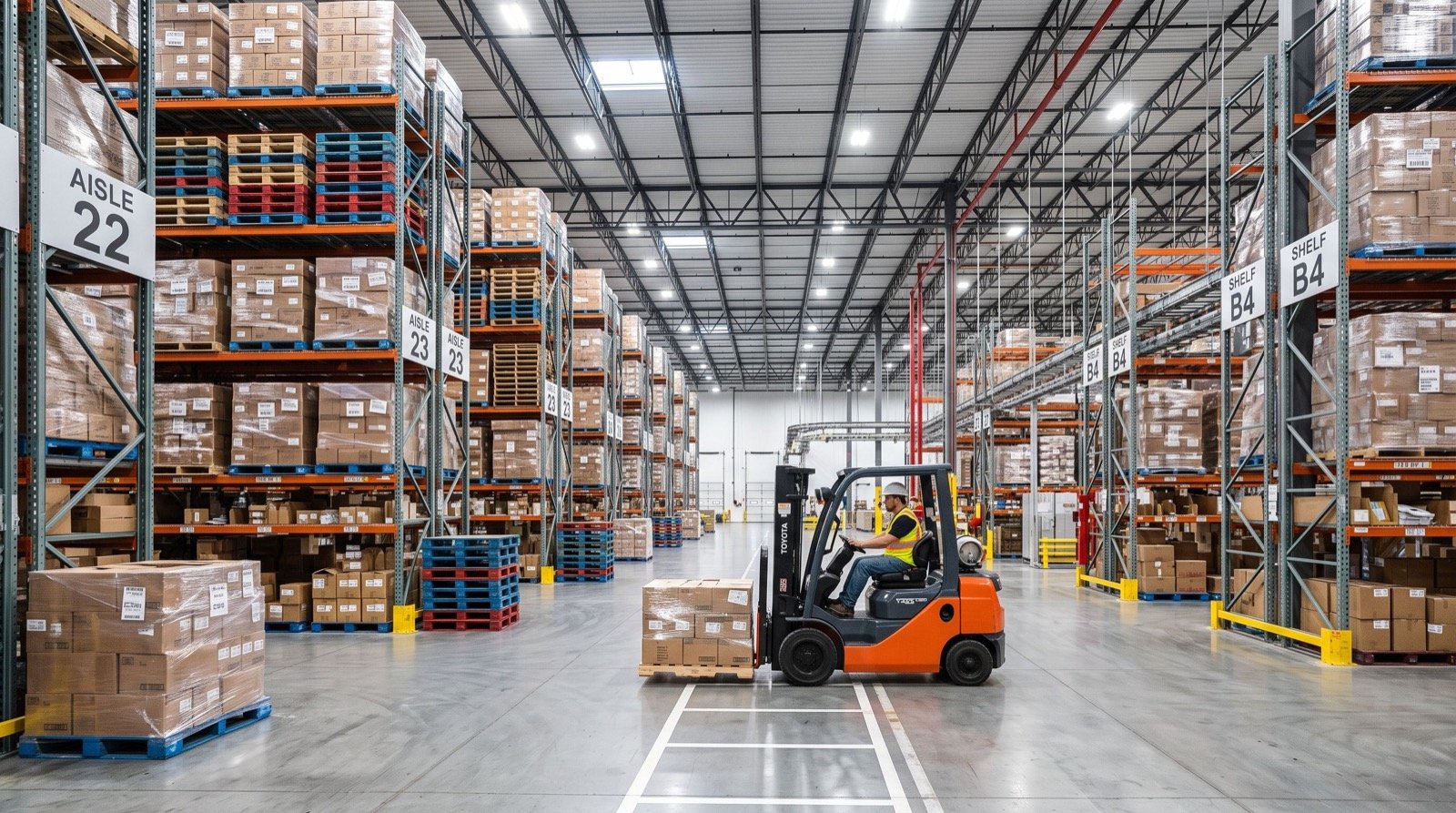
Dry storage is ambient, non-refrigerated warehousing kept clean, ventilated, and protected from moisture and pests. It is designed for shelf-stable goods that do not need chilling but still suffer if left in a hot, damp, or dusty space. Done properly, it holds a steady environment that keeps packaging intact and products within spec.
Typical candidates for Dry Storage in Jeddah include:
- Canned and jarred foods, oils, and condiments
- Rice, flour, sugar, pulses, and other dry staples
- Packaged snacks, confectionery, and beverages
- Paper goods, packaging, and disposables
- Non-perishable retail and e-commerce stock
The common thread is simple: these goods are stable at room temperature but vulnerable to humidity, heat spikes, and contamination if stored carelessly.
Why Jeddah’s climate makes dry storage a discipline
Jeddah’s coastal location brings high humidity that few inland cities face. Moisture in the air is the silent destroyer of dry goods — it cakes powders, rusts cans, softens cardboard, and creates the damp conditions pests love. A warehouse here cannot simply lock the doors and hope; it must actively manage airflow and moisture.
Quality facilities counter the climate with:
- Ventilation and dehumidification to hold relative humidity in a safe band.
- Pallet racking that keeps goods off the floor and away from rising damp.
- Sealed loading bays that stop humid outside air and insects entering during transfers.
- Routine pest control with documented inspection logs.
- Clean, non-absorbent flooring that is easy to sanitise.
Food businesses must also meet the Kingdom’s safety rules, which are set and enforced by the Saudi Food and Drug Authority. Compliance is not optional — it is checked, and lapses can halt your supply chain.
Dry storage for restaurants and food service
Restaurants feel storage mistakes faster than almost anyone. A kitchen that runs out of a staple mid-service loses sales, while over-ordering ties up cash and invites spoilage. Smart food-service operators use off-site dry warehousing to buy staples in bulk, lock in better pricing, and keep only working quantities in the kitchen’s cramped back room.
Specialist Storage for Restaurants extends the kitchen’s capacity without the cost of a bigger premises. It lets multi-site operators centralise purchasing, standardise inventory across branches, and reduce the frantic last-minute deliveries that disrupt a busy service.
The table below shows how dry storage compares to the chilled and frozen options a food business also relies on.
| Storage type | Temperature | Best for | Relative cost |
|---|---|---|---|
| Dry / ambient | 15–25°C | Staples, canned goods, packaging | Lowest |
| Chilled | 0–4°C | Dairy, produce, fresh meat | Medium |
| Frozen | -18°C and below | Seafood, frozen meat, desserts | Highest |
How do you choose the right dry storage partner?
Not every warehouse earns the word “dry.” The best providers prove it with data and discipline rather than a sales pitch. When you shortlist facilities offering Dry Storage in Jeddah, weigh them on more than price per pallet.
Ask these questions before signing:
- Do you monitor and log humidity, and can I see the records?
- How often is pest control carried out, and is it documented?
- Is stock stored on racking, never directly on the floor?
- Can the facility scale space up or down as my volumes change?
- Is there a real-time inventory system so I always know my stock position?
A practical tip from importers who manage seasonal volume through the Red Sea: give preference to facilities near the port and main highways. Shorter transfer distances mean less exposure to Jeddah’s heat and humidity during loading, and faster turnaround when a container lands. The right experienced local team will understand these logistics intuitively.
Dry storage and Jeddah’s trade future
Jeddah’s warehousing demand is tied directly to trade flows through the Red Sea, a corridor carrying a significant share of global shipping. The strategic importance of this route is tracked by bodies such as the United Nations Conference on Trade and Development, whose maritime reports underline why Red Sea logistics capacity keeps expanding.
For businesses, the takeaway is clear. As volumes grow and delivery expectations tighten in 2026, flexible dry warehousing close to the port is becoming a decisive advantage — one that keeps inventory safe, costs predictable, and shelves full.
Frequently Asked Questions
What is the ideal temperature for Dry Storage in Jeddah?
Most dry goods store best between 15°C and 25°C with controlled humidity. The priority in Jeddah’s coastal climate is stability and moisture control rather than a specific cold setpoint, since the enemy of dry goods is dampness, not warmth alone.
How long can goods stay in dry storage?
It depends on the product’s own shelf life. Canned goods and packaging can last months or years, while flour and other staples have shorter windows. Good facilities use first-in, first-out rotation so nothing exceeds its expiry date.
Can restaurants rent small amounts of dry storage?
Yes. Many providers offer flexible, pay-for-what-you-use space, so a single restaurant or a small chain can store only the pallets it needs and scale up during busy seasons without committing to a full warehouse.
How is humidity controlled in a dry warehouse?
Through a combination of ventilation, dehumidification, sealed loading bays, and raised pallet racking. Reputable operators monitor humidity continuously and keep logs you can review as part of your own compliance records.
Conclusion
Dry warehousing may be the least glamorous link in the supply chain, but in a humid port city it is one of the most important. By understanding what dry storage protects, managing moisture aggressively, and choosing a partner who proves their standards with data, businesses keep products safe and costs under control. Whether you run a restaurant group, a retail brand, or an import operation, well-run Dry Storage in Jeddah is the quiet foundation that lets everything else move faster in 2026. Review your current setup against this playbook and tighten the weak links before your next big shipment lands.